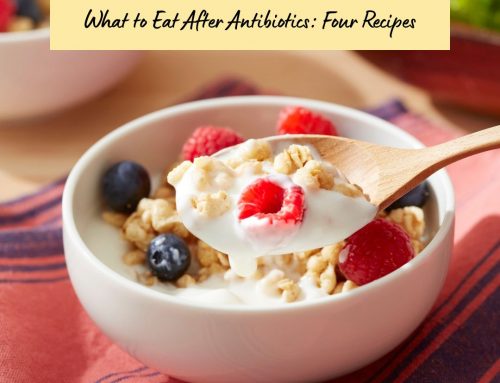

Eating for your gut has a reputation problem. Somewhere along the way, it started to sound like a part-time job: fermenting your own vegetables, tracking bacterial strains, prepping six components for a single bowl. On a Tuesday night, that’s not happening, and it shouldn’t have to.
The truth is, a meal that genuinely supports your microbiome can come together in one pot in about 30 minutes, with a pile of dishes you can count on one hand. Let’s jump into some easy recipes.
What Makes a Meal Gut-Friendly
A gut-supporting dinner really comes down to three things.
The first is prebiotic fiber, the type that feeds your beneficial bacteria. It’s found in onions, garlic, leeks, beans, legumes, and whole grains. When your gut bacteria ferment this fiber, they produce short-chain fatty acids like butyrate, which have anti-inflammatory properties and help maintain the gut barrier.
The second is fiber variety. Different bacteria prefer different fibers, so a meal that combines, say, beans and whole grains and a couple of vegetables feeds a broader range of the microbiome than any single ingredient could. Diversity on the plate encourages diversity in the gut.
The third, when you can manage it, is a probiotic finish, a fermented food added after cooking. Heat kills the live cultures in things like yogurt and kefir, so add these at the end, not in the pot.
Most Americans get only about 15 grams of fiber a day, well short of the 25 to 30 grams generally recommended. A single well-built one-pot dinner can cover much of that gap with little effort.
A Note on Easing In
One honest caveat before the recipes: if you don’t currently eat much fiber, do not go from zero to three bean dinners a week overnight. A sudden jump in fiber is the single most common reason people end up bloated and conclude that “healthy food hates them.” Ramp up gradually, drink plenty of water alongside the added fiber, and give your microbiome a few weeks to adjust. The discomfort is usually a transition problem, not a permanent one.
Recipe 1: One-Pot White Bean and Kale Stew
Beans are one of the best prebiotic sources, and this stew leans on garlic and onion for an extra prebiotic hit. It’s the kind of thing that tastes better the next day, which also happens to be good for your gut.
Serves: 4 | Time: 30 minutes
Ingredients:
- 2 tbsp olive oil
- 1 yellow onion, diced
- 4 cloves garlic, minced
- 2 carrots, diced
- 2 cans cannellini beans, drained and rinsed
- 4 cups low-sodium vegetable broth
- 1 tsp dried thyme
- 1 bunch kale, stems removed, chopped
- Salt and pepper to taste
- Optional finish: a dollop of plain yogurt and a squeeze of lemon
Instructions:
- Heat olive oil in a large pot over medium heat. Add onion and carrots, cook 5 minutes until softened.
- Add garlic and thyme, cook 1 minute until fragrant.
- Add beans and broth, bring to a simmer, and cook 15 minutes. For a thicker stew, mash some of the beans against the side of the pot.
- Stir in kale and cook 3–4 minutes until wilted. Season with salt and pepper.
- Serve with a dollop of yogurt and a squeeze of lemon if using. (Add the yogurt at the table, not in the pot, so the live cultures survive.)
Recipe 2: One-Pot Farro with Mushrooms and Leeks
Farro is a whole grain that brings a different fiber profile than beans, and leeks are quietly one of the most prebiotic-dense vegetables in the produce aisle. Mushrooms add savory depth and their own fiber.
Serves: 4 | Time: 35 minutes
Ingredients:
- 2 tbsp olive oil
- 1 leek, white and light green parts sliced and rinsed well
- 8 oz mushrooms, sliced
- 2 cloves garlic, minced
- 1½ cups pearled farro, rinsed
- 4 cups low-sodium vegetable broth
- 1 tsp dried rosemary or thyme
- Salt and pepper to taste
- Optional finish: grated Parmesan and fresh parsley
Instructions:
- Heat olive oil in a large pot over medium heat. Add leek and mushrooms, cook 6–7 minutes until softened and the mushrooms release their liquid.
- Add garlic and herbs, cook 1 minute.
- Add farro and broth, bring to a boil, then reduce to a simmer. Cover and cook 25–30 minutes, stirring occasionally, until farro is tender and most of the liquid is absorbed.
- Season with salt and pepper. Finish with Parmesan and parsley if using.
Leftover tip: farro, like other cooked grains, develops more resistant starch after it’s cooled, so tomorrow’s portion does a little extra for your gut.
Recipe 3: One-Pot Red Lentil and Sweet Potato Curry
Red lentils cook fast and are gentler on sensitive stomachs than many other legumes, which makes this a good entry point if you’re still ramping up your fiber. Sweet potato adds prebiotic fiber and natural sweetness; ginger and garlic round it out.
Serves: 4 | Time: 30 minutes
Ingredients:
- 1 tbsp coconut or olive oil
- 1 onion, diced
- 3 cloves garlic, minced
- 1 tbsp fresh ginger, grated
- 1 tbsp curry powder
- 1 large sweet potato, peeled and cubed
- 1 cup red lentils, rinsed
- 1 can coconut milk
- 2 cups low-sodium vegetable broth
- Salt to taste
- Optional finish: fresh cilantro and a squeeze of lime
Instructions:
- Heat oil in a large pot over medium heat. Add onion, cook 4 minutes.
- Add garlic, ginger, and curry powder, cook 1 minute until fragrant.
- Add sweet potato, lentils, coconut milk, and broth. Bring to a simmer.
- Cook 20 minutes, stirring occasionally, until lentils are broken down and sweet potato is tender.
- Season with salt. Finish with cilantro and lime. Serve on its own or over rice.
Where IgY Max Fits In
Eating this way consistently is one of the best things you can do for your microbiome, feeding your beneficial bacteria the fiber they need to thrive. IgY Max works on the other side of the gut health equation, clearing the dysbiotic pathogens that crowd out those beneficial bacteria in the first place. Together, the logic is straightforward: make room for the good bacteria, then feed them well.
The Bottom Line
A gut-friendly dinner doesn’t require special equipment, exotic ingredients, or an hour at the stove. Prebiotic fiber, a variety of plants, and a fermented finish when you can swing it, all in one pot. Keep a few of these in rotation, ease into the extra fiber if you’re not used to it, and your gut will do the rest.
Learn more about supporting your gut at igynutrition.com.
References